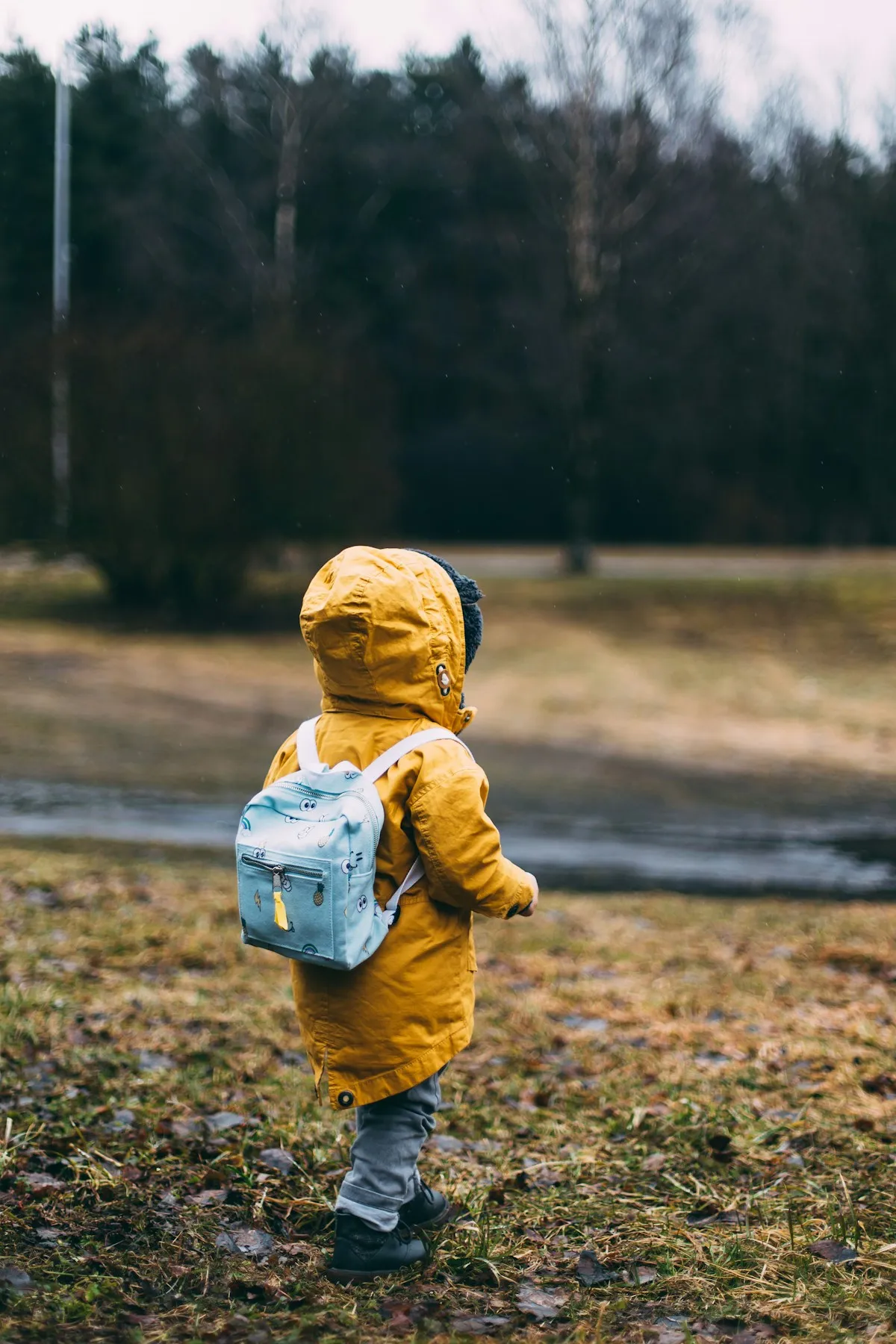
Reading to a child is a foundational ritual, usually filled with brave lions, clever rabbits, and far-off wizards. These stories have captivated young minds for generations, teaching lessons through the adventures of characters who exist in a world separate from the child's own.
But there is a transformative shift that occurs when a child sees a character who looks exactly like them.
While traditionally children have been passive observers of "outside-over-there" stories, the "personalization revolution" is changing how they interact with books. When a child becomes the protagonist of a professionally crafted story, it triggers a sophisticated psychological environment that aids their development in ways that conventional stories simply cannot match.
The Science is Clear: Personalized stories don't just entertain. They actively shape how children see themselves, process emotions, and develop into confident individuals. Here are seven research-backed reasons why seeing themselves in a story is one of the greatest developmental gifts you can give a child.
1 The "Mirror Effect": A Foundation for Self-Worth
In 1990, Dr. Rudine Sims Bishop introduced a powerful framework that has since become foundational in children's literature: books should function as "mirrors, windows, and sliding glass doors".
When a story acts as a mirror, it reflects a child's identity back to them, affirming that their journey is worthy of being documented. This isn't merely about seeing a character who shares their name. It's about recognizing oneself as the protagonist, the central figure around whom the entire narrative revolves.
This visual validation helps children construct a positive self-concept, providing the psychological scaffolding necessary to build real-world confidence. When a child repeatedly sees themselves conquering challenges, making friends, or simply being celebrated in a story, they internalize the message: "I matter. My story is worth telling."
Research Insight: Studies in developmental psychology consistently show that children who see themselves represented positively in media and literature develop stronger self-esteem and a more secure sense of identity.
2 Narrative Bravery: Rehearsing Courage
Every child faces fears. The dark hallway at night. The first day at a new school. The doctor's office. These anxieties are universal, yet deeply personal to each child experiencing them.
Personalized books provide a "secure narrative environment" where children can navigate complex emotional challenges through their storybook avatars. This process, known as developmental bibliotherapy, allows children to witness a "crafted" version of themselves successfully facing fears.
Research on childhood fears and coping mechanisms demonstrates that narrative exposure, seeing oneself navigate a feared situation successfully, can transform abstract anxiety into a manageable memory of success. The brain processes narrative experiences similarly to real experiences, meaning a child who "practices" being brave in a story develops neural pathways that support courage in reality.
Think of it as a mental rehearsal. Athletes visualize success before competition; children can "visualize" their own bravery through personalized stories.
3 Cognitive Anchoring: Learning That Sticks
Why do we remember some information effortlessly while other facts slip away moments after learning them? The answer often lies in how deeply the information connects to our sense of self.
The cognitive anchoring in personalized stories is powered by the Self-Reference Effect (SRE), a robust scientific finding that information processed in relation to the self is remembered better and retained longer. When we connect new information to our own experiences, identity, or future, our brains encode it more deeply.
In the context of children's books, this means that when children are the main character, they show significantly higher word acquisition and retention. They stay focused longer. They ask more questions. They want to re-read the story again and again.
The Bottom Line: A personalized story isn't just more engaging. It's more memorable. The lessons, vocabulary, and emotional insights from a story featuring themselves become part of the child's cognitive architecture in ways that generic stories cannot achieve.
4 Radical Empathy and Self-Compassion
One of the most surprising benefits of personalized stories lies in their ability to help children develop compassion, not just for others, but for themselves.
Personalized stories help children develop the critical skill of "self-distancing", viewing their own life from a third-person perspective. This psychological distance reduces emotional reactivity and allows for more balanced processing of difficult experiences.
When a child sees their "story-self" navigate a mistake, perhaps forgetting to share, or feeling jealous of a sibling, they can observe the situation with the same objectivity they'd bring to any other character. They learn to cheer for themselves with the same kindness they would show any other hero.
This builds a blueprint for resilience and forgiveness. Instead of harsh self-criticism when they make mistakes in real life, children who practice self-distancing through stories develop an internal voice that says, "It's okay. The hero makes mistakes too, and they always find a way forward."
5 Moral Blueprinting: Internalizing the "Right" Thing
Parents and educators have long used stories to teach moral lessons. Fables feature animals learning about honesty; fairy tales warn of the consequences of greed. But research suggests there's a more effective approach.
Research from the University of Toronto reveals a striking finding: children learn moral lessons, like sharing, much more effectively from stories featuring realistic human characters rather than anthropomorphized animals. The closer the protagonist is to the child's own reality, the more transferable the lesson becomes.
When a protagonist is a direct reflection of the child, with their name, their appearance, their world, it creates what we call a "Moral Mirror." Instead of abstractly learning a rule ("sharing is good"), the child begins to view themselves as "the kind of person who shares."
The Gap Closed: This addresses one of the most persistent challenges in moral education: the knowledge-action gap. Children often know what's right but struggle to act on it. Personalized stories help bridge this gap by making moral behavior part of the child's self-concept.
6 Expanding the "Internalized Possible"
Who will your child become? A scientist? An artist? An explorer? A healer? The range of futures a child can imagine for themselves profoundly shapes the paths they pursue.
The theory of "Possible Selves" suggests that our self-concept includes not just who we are now, but who we might become in the future. These imagined future selves serve as powerful motivators, guiding our choices and efforts in the present.
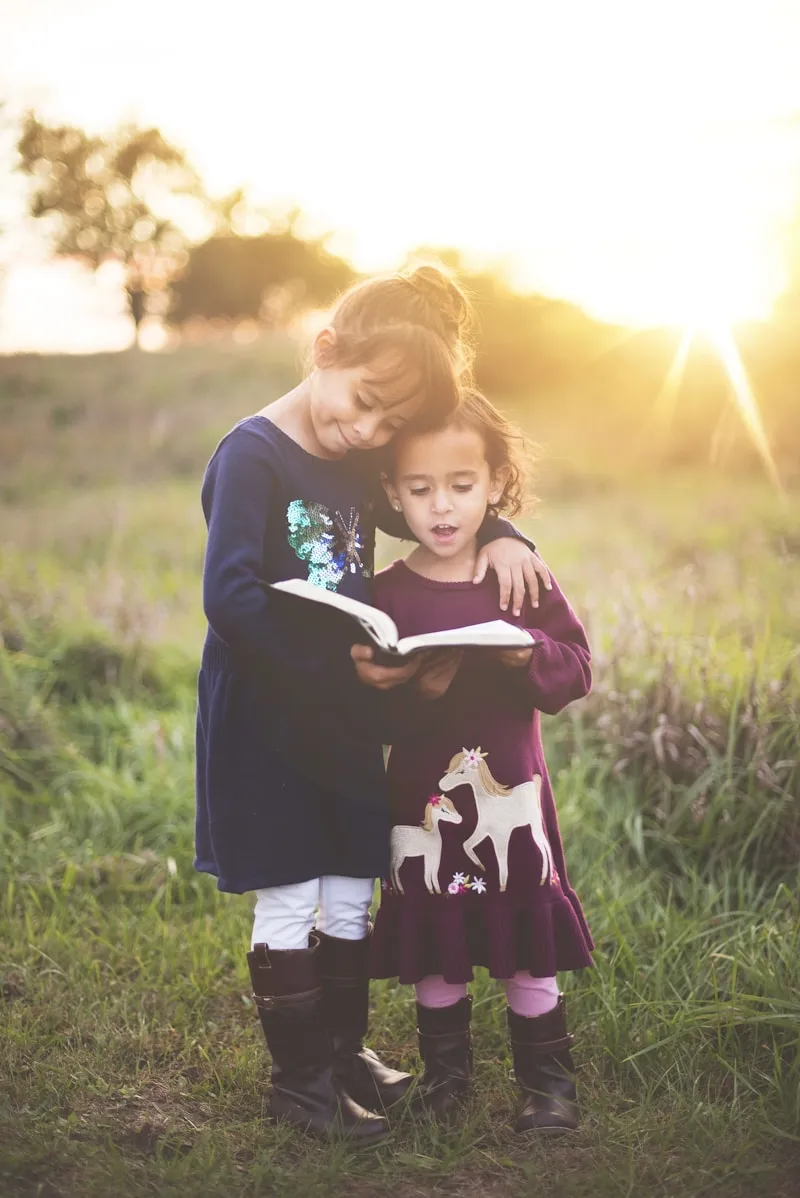
Personalized literature allows a child to explore these future identities in a uniquely personal way. When they see themselves as an explorer navigating uncharted territories, or a scientist making discoveries, or a leader bringing people together, it expands their "Identity Horizon", the range of roles they believe are attainable.
This is particularly powerful for children who may not see people like themselves in certain roles in the real world. A personalized story provides proof of possibility: "If story-me can be an astronaut, maybe real-me can too."
7 Limitless Imagination: Beyond the Passive Role
Most traditional books position children as passive observers. They watch the story unfold, rooting for characters who exist separately from themselves. While this is valuable, personalization unlocks something more powerful.
When a child is in the story, personalization encourages what researchers call "Active Imagination". This shifts the child's mindset from asking "What happens next to the character?" to "What can I do next?"
This fundamental shift promotes "divergent thinking", the ability to generate multiple solutions to a problem, to see situations from various angles, to imagine alternatives. Children become co-creators rather than passive consumers, taking agency in their own narrative and, by extension, their own creativity.
The Ripple Effect: This active engagement doesn't stop when the book closes. Children who practice active imagination through personalized stories carry that creative agency into play, problem-solving, and eventually, into how they approach challenges throughout their lives.
The Magic is in the Making
The science is compelling, but the experience is what truly matters. When a child opens a book and finds themselves on every page, navigating adventures, overcoming fears, and emerging as the hero, something profound happens. They see, perhaps for the first time, that they are worthy of being the main character in a story.
At Little Life Chapters, we've made it possible to weave all of these psychological benefits into a custom keepsake in less than 10 minutes. Our personalized books aren't just stories. They're tools for self-expression, confidence-building, and imagination-expansion.
Every child deserves to look in the mirror of a book and see a hero staring back. Because the truth is, they already are one. Our books just help them see it.
Your child's story matters. Their journey is worth documenting. And when they see themselves as the hero, brave, kind, capable of anything, they start to believe it. That's not just storytelling. That's transformation.